A startup accelerator, defining its services before it opened — grounded in what its future residents actually need, not assumption.
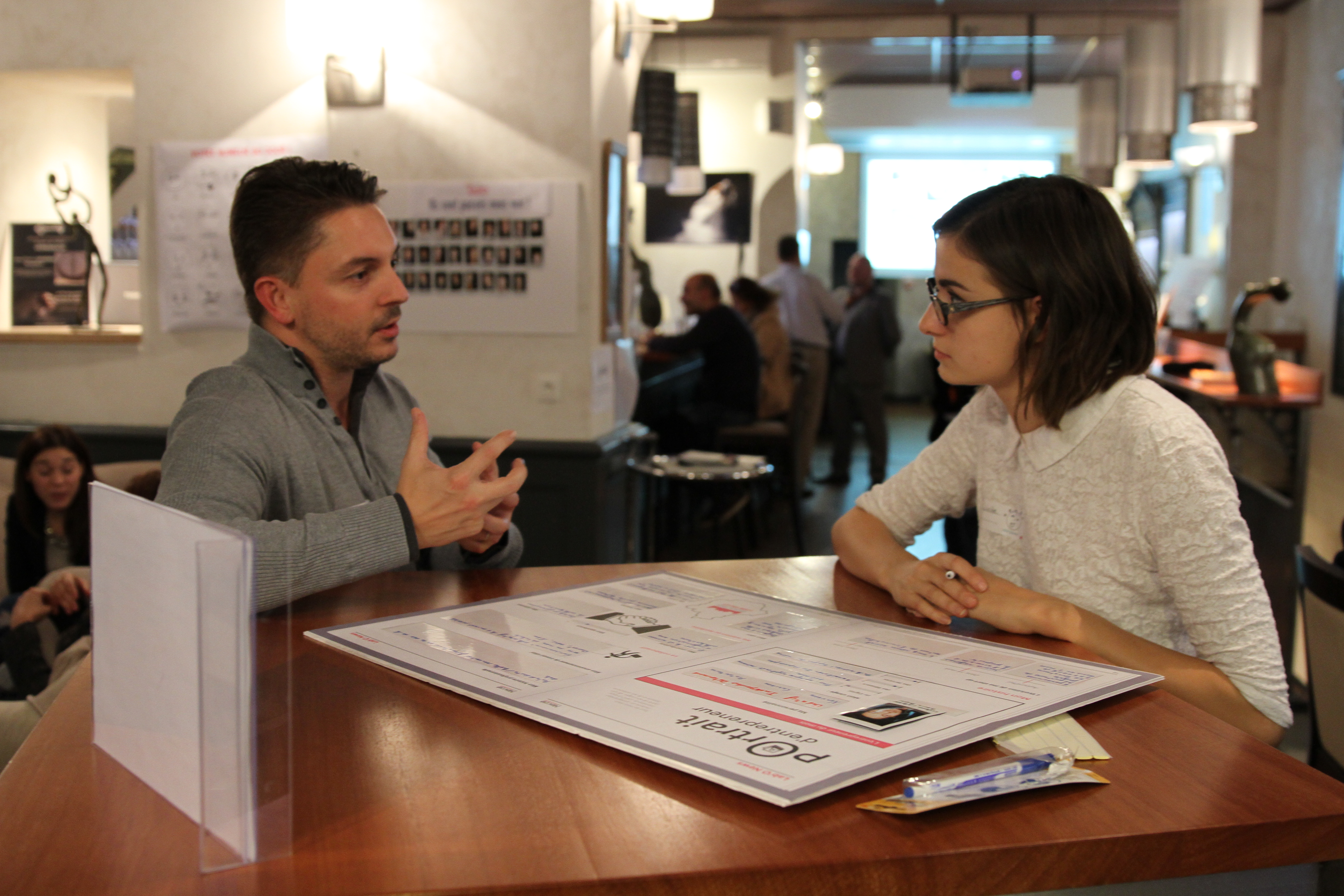
Lab’O is a startup accelerator in Orléans. At the time of the project the accelerator was still being built — so the work was about defining what it would offer before it opened its doors.
Lab’O needed to define its service offer — what an accelerator should actually provide its residents — and to be confident those services were the right ones before committing to building them. The question wasn’t “fix what exists” but “decide what to create, grounded in what future residents really need.”
Worked as part of a service design team, across two phases — first generate ideas, then test them with the people who’d actually use the place.
The event that brought the accelerator’s future residents in before the place even existed.
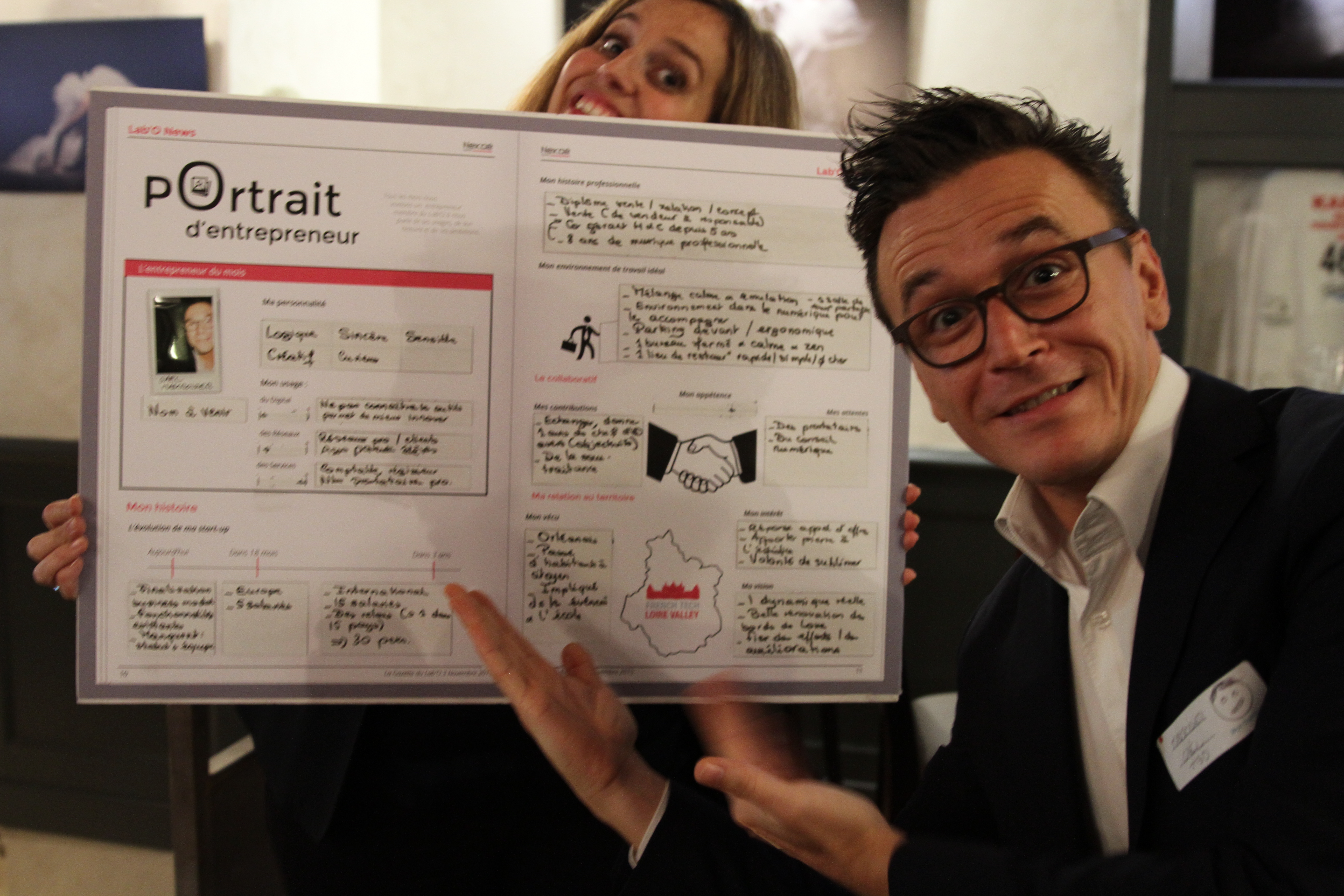
The living lab event — residents working through the sessions.
No screens here — the workshops and filled-in templates are the proof.
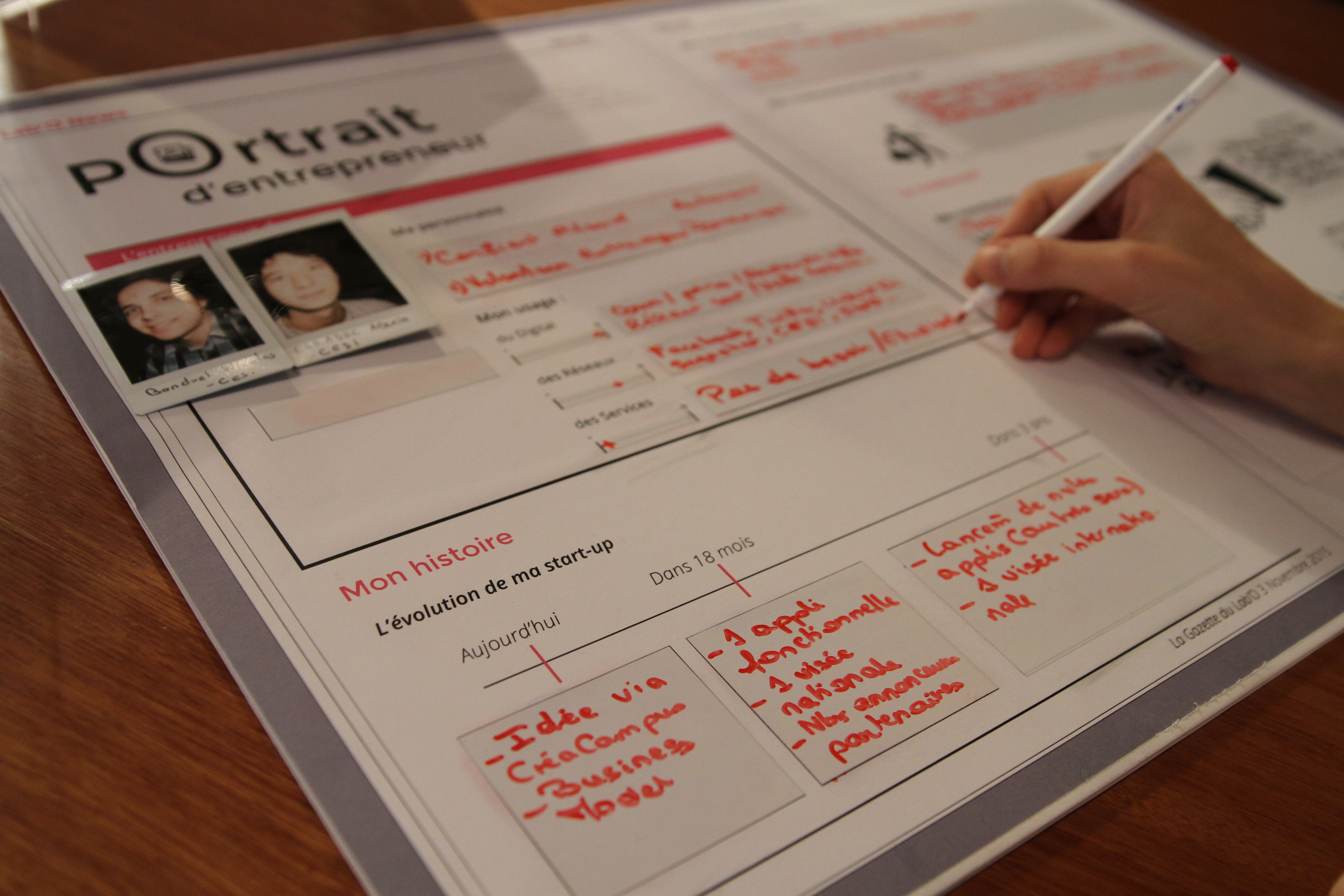
Residents built their own personas — surfacing who they are: their relationship to the territory, how they collaborate, their ideal work environment, their professional history, and the story of their startup.
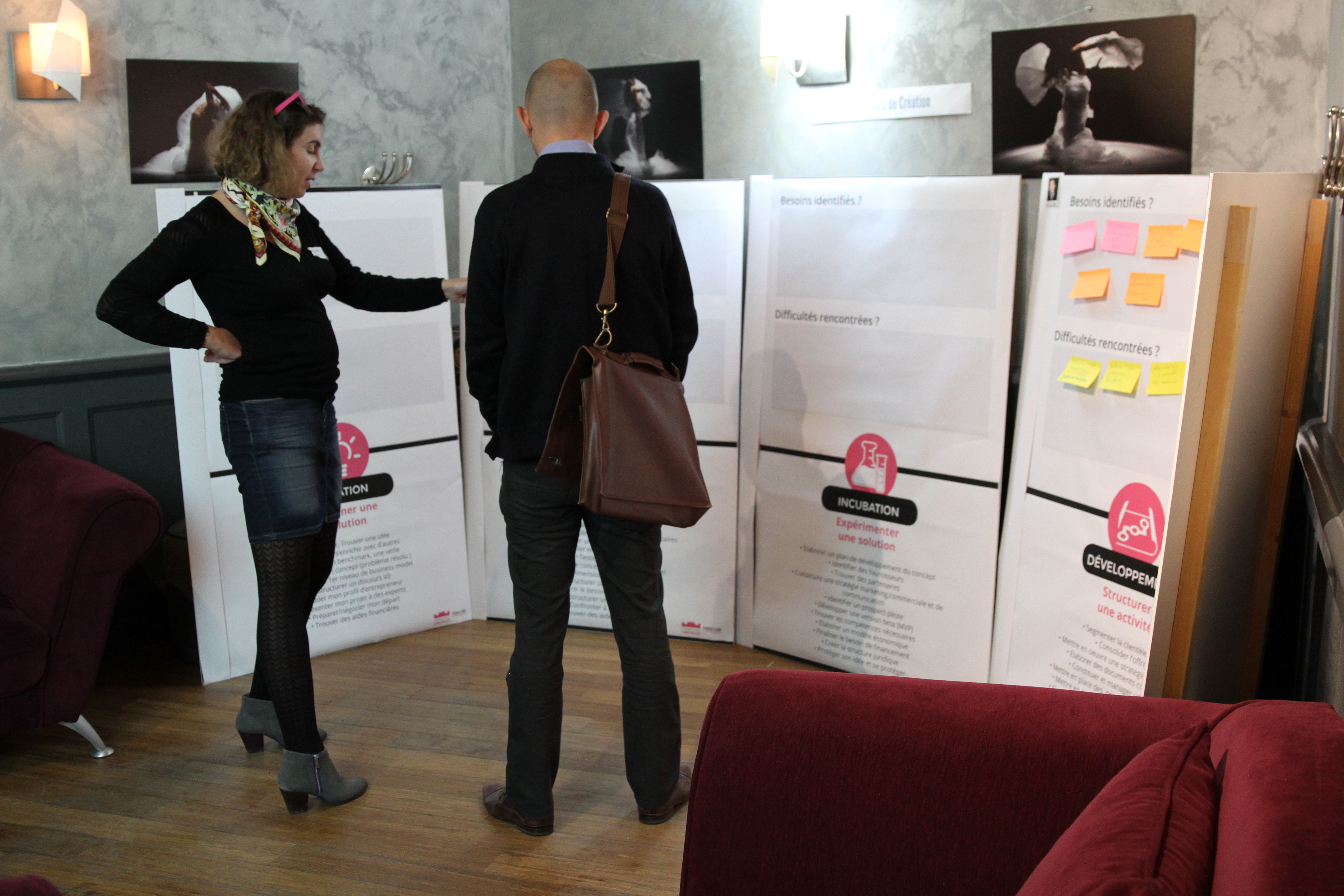
Residents placed themselves on a timeline of startup development stages to show where they are now — and for each stage they’d been through, captured the needs and difficulties they faced.
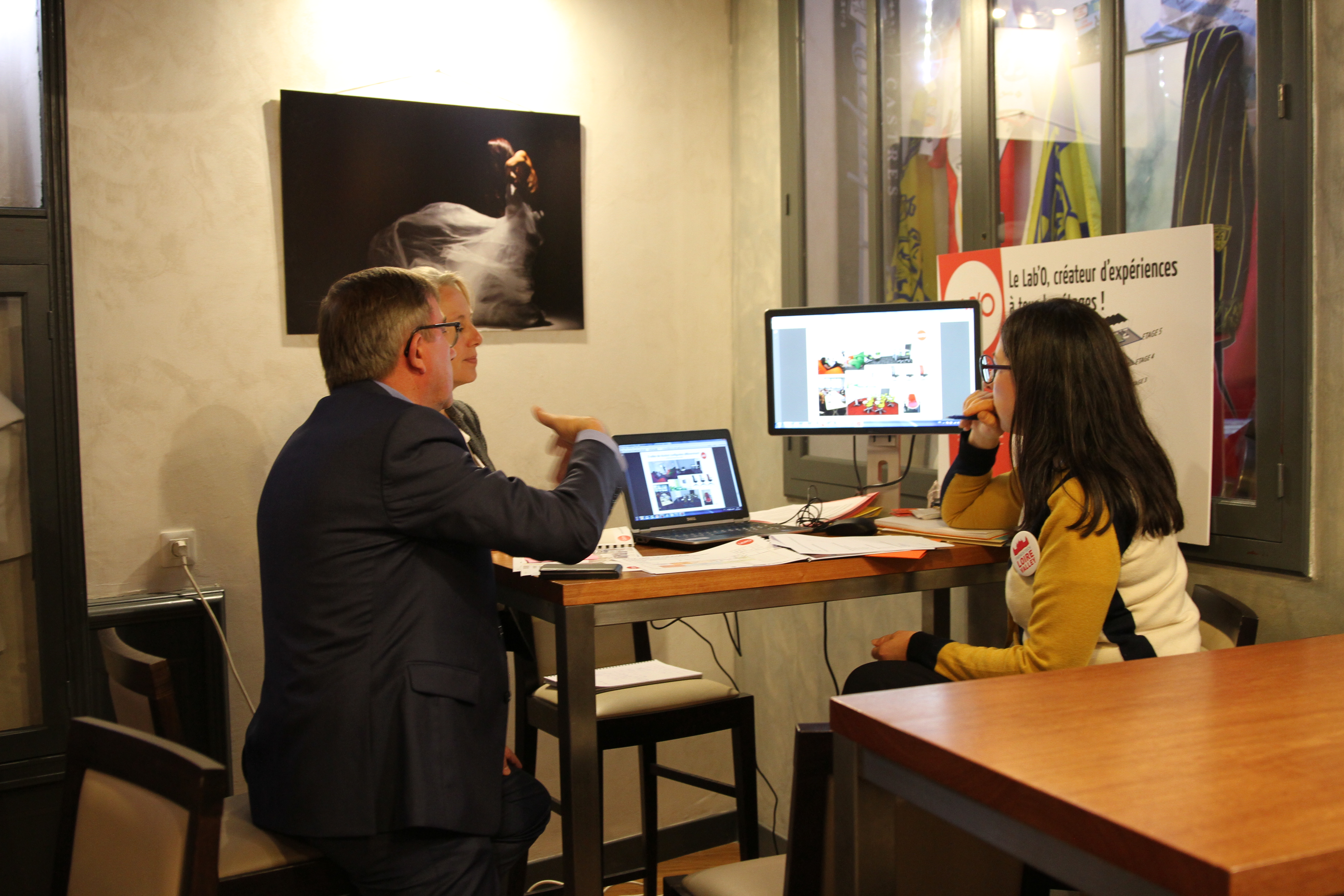
The service ideas from the design sprint, presented as storyboards, with residents’ reactions to each captured — testing the concepts against the people who’d actually use them.
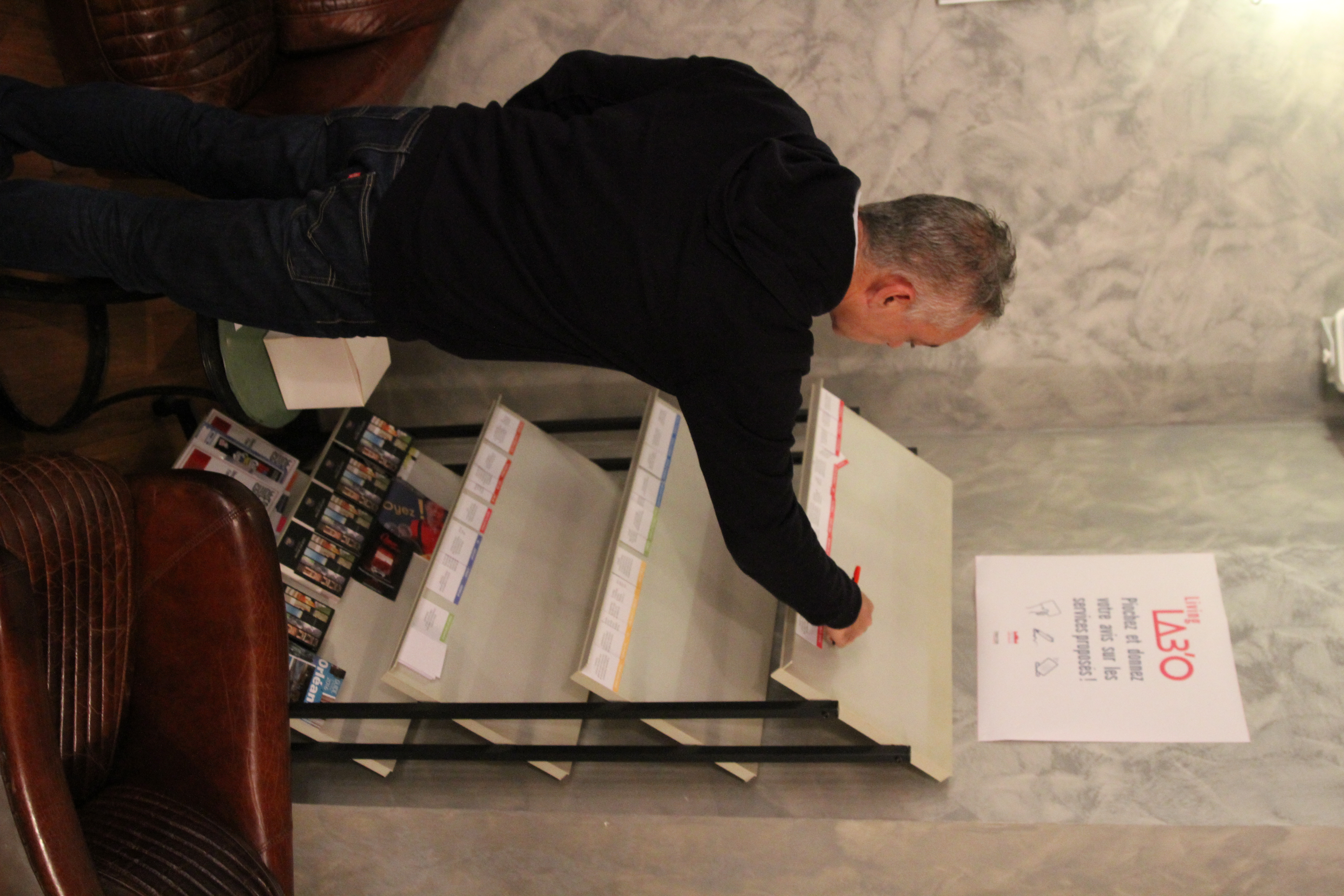
A wider set of lighter service ideas on cards; residents picked the ones that appealed, said why, and dropped them in a box — fast feedback across many options at once.
Grounded in feedback from the accelerator’s actual future residents, the living lab let the team decide which services to build and which to drop, refine others from real input, validate the ideas that held up — and surface needs, and services, no one had thought of. Lab’O moved forward on a service offer shaped by the people who’d actually use it, rather than by assumption.
